
Multichannel Brand Management: One Brand, Three Storefronts
Selling on Amazon, Shopify and TikTok Shop at once is normal now. Running them as one brand, with one price logic, one inventory plan and one report, is the part most teams skip.
Short answer
Multichannel brand management means one person owns the brand across Amazon, Shopify and TikTok Shop at the same time. The job covers five things: keeping prices consistent so Amazon does not remove your Featured Offer, sharing one inventory pool (often through Amazon Multi-Channel Fulfillment), using the same product facts and claims everywhere, watching for channels stealing sales from each other, and reporting all channels in one view.
What Multichannel Brand Management Actually Covers
Most brands do not plan to become multichannel. They start on Amazon or Shopify, add TikTok Shop because creators asked for samples, and a year later they have three storefronts, three ad accounts, three sets of product photos and three versions of the truth about how the business is doing. Amazon says more than 95% of independent sellers in its store sell across multiple channels (About Amazon, September 24, 2026). Being on several channels is not the hard part. Managing them as one brand is.
Multichannel brand management is the job of owning that whole picture. If you are new to the role itself, start with what an ecommerce brand manager does. On a multichannel brand, the same person also decides how the channels fit together, which is where most of the money is won or lost.
Pricing parity
One pricing logic across channels, so a TikTok Shop flash sale or a Shopify discount code does not quietly cost you the Featured Offer on Amazon.
Inventory allocation and fulfillment
Deciding how much stock each channel can sell, and whether off-Amazon orders ship from Amazon's network, a third-party warehouse (3PL) or your own shelf.
Consistent content and claims
The same product facts, ingredient lists, sizes and claims on every channel, adapted to each format but never contradicting each other.
Cannibalization
Checking whether a new channel brought new customers or just moved existing ones to a place where you earn less per order.
Attribution and one report
Knowing which marketing drove which sale, then putting every channel's sales, ad spend and margin in one monthly view.
Pricing Parity: Why Your Shopify Price Affects Amazon
Amazon compares your price with the rest of the internet. Its own pricing guide defines the competitive price as the lowest price for an item from other major retailers outside Amazon, and says your price plus shipping should be at or below it to count as competitively priced. The same guide says Amazon monitors prices across its stores and compares them to other prices, and that pricing practices which hurt customer trust can lead to removal of the Featured Offer, the box with the Add to Cart and Buy Now buttons (Amazon Selling Partner Blog, October 18, 2024). Amazon points sellers to its Marketplace Fair Pricing Policy for the full rules; read it in Seller Central, because policy wording changes.
TikTok Shop has its own price checks. ChannelX reported in August 2025 that TikTok Shop added a pre-listing price check, and that a listing flagged for pricing that breaks its guidelines cannot be published until the price is changed (ChannelX, August 6, 2025). That report describes a comparison against similar products on TikTok, not against other marketplaces, so do not assume TikTok checks your Amazon price.
The practical rule we use: set a base price, decide in advance which channel is allowed to go lower and for how long, and check Amazon the same day any off-Amazon promotion starts. Shopify and TikTok Shop promotions are the usual reason a brand loses the Featured Offer without changing anything on Amazon. Our ecommerce pricing strategy guide covers the math of setting the base price.
Inventory Allocation and Multi-Channel Fulfillment
Selling the same units in three places creates one simple risk: two channels sell the last unit, or a viral TikTok week empties the stock your Amazon ranking depends on. A multichannel brand manager decides where inventory lives and how much each channel may sell before anyone reorders.
Amazon Multi-Channel Fulfillment (MCF) is the most common answer for Amazon-first brands. MCF uses Amazon's network to store, pack and ship orders from channels outside Amazon, and inventory you send to FBA can fill both Amazon orders and MCF orders from one pool. Amazon says MCF ships in unbranded packaging by default unless that would slow delivery, offers a blank-box-only setting for eligible products, and quotes standard delivery in three business days or two with Expedited. New sellers get 25% off fulfillment costs on their first 100 MCF units (Amazon Selling Partner Blog, September 18, 2025).
For TikTok Shop, the connection runs through apps. PPC Land reported that TikTok Shop changed its US shipping rules on February 25, 2026, so that sellers use TikTok's logistics options or an approved third-party provider such as MCF, and that MCF connects to TikTok Shop through nine apps listed in TikTok Shop's App Store, each of which you authorize on both sides (PPC Land, August 9, 2026). Amazon's own TikTok Shop page adds that eligible sellers may get MCF Preferred Pricing of up to 15% off MCF fulfillment fees (Amazon Supply Chain, updated May 3, 2026). App fees and MCF rates change, so confirm both before you switch.
MCF is not always the right choice. If most of your volume is on Shopify, if you want branded unboxing, or if your products are oversized, a 3PL may cost less. Our MCF vs 3PL decision framework and multichannel inventory forecasting guide walk through the numbers.
One pool, with a floor for Amazon
Many brands keep a minimum number of days of stock reserved for Amazon, because a stockout there can hurt ranking for weeks. Off-Amazon channels sell from the rest.
Split pools by channel
Some brands hold Shopify and TikTok Shop stock at a 3PL and keep FBA for Amazon only. It costs more to manage but a TikTok spike cannot empty Amazon.
No plan at all
Each channel sells until the shared count hits zero. This is how brands oversell during a creator spike and end up canceling orders, which hurts account health on every channel.
Consistent Content, and Watching for Cannibalization
Each channel wants a different format. Amazon wants a keyword-rich title, bullets, a main image on white and A+ content. Shopify wants a product page that answers questions and converts paid traffic. TikTok Shop wants short video first. The format should change. The facts should not. When the Amazon listing says 60 capsules, the Shopify page says 90 and a creator video mentions an old formula, customers notice and reviews say so.
We keep one source document per product: approved name, size, ingredients or materials, claims, warnings and the approved photo and video set. Every channel's copy is built from it. For supplements, cosmetics and other regulated products this matters even more, because a claim you would never put on Amazon can slip into a TikTok caption. Content made once and cut for each channel is also cheaper: one shoot can supply Amazon images, a Shopify hero and vertical clips.
Cannibalization means a new channel takes sales from an existing one instead of adding new ones. It is not always bad. A sale that moves from Amazon to Shopify can earn you more, because Amazon's referral fee is 15% in many categories (Amazon, Sell on Amazon pricing) and on Shopify you also keep the customer's email. It turns bad when the new channel pays more per order in fees, creator commission and discounts than the channel it replaced.
There is no perfect test, but there are good signs. In our experience, if total sales across all channels rise when you add a channel, it is mostly adding. If Amazon branded search and sales fall in the same weeks TikTok Shop grows, some of that growth is the same customers buying somewhere else. Track total sales, not each channel on its own, and compare profit per order by channel, not revenue.
Attribution and Reporting in One View
Every platform takes credit for the same sale. Meta says its ad drove it, TikTok says a creator did, Amazon says its Sponsored Products did. None of them is lying by their own rules; they just count differently. Our guide on why GA4, Shopify and your ad platforms never agree explains the reasons.
Three tools help. First, UTM tags on every link you control: Google says you should always use utm_source, utm_medium and utm_campaign, and that values are case sensitive (Google Analytics Help). Second, Amazon Attribution for traffic you send to Amazon from outside it. Amazon describes it as a free measurement tool for off-Amazon search, social, display, video and email campaigns, reported on a 14-day window (Amazon Ads). Third, the Brand Referral Bonus, which Amazon says averages 10% of qualifying sales for Brand Registry brands that drive outside traffic with Attribution tags (Amazon Selling Partner Blog, October 20, 2023). If you send TikTok or email traffic to Amazon without tags, you may be leaving that bonus on the table. Our Amazon Attribution playbook covers setup.
Amazon is also building a single view inside Seller Central. In September 2026 it announced free multichannel selling tools that connect eBay, Shopify, TikTok and Walmart accounts, import listings, show sales and orders across channels and fulfill them, rolling out gradually to US sellers. Amazon describes one-edit listing updates and per-channel profit views as coming later (About Amazon, September 24, 2026). As of October 2026, check your own Settings menu to see whether you have it.
How to Set Up Multichannel Brand Management in Seven Steps
List every channel, account and login
Amazon Seller Central, Amazon Ads, Shopify, TikTok Shop Seller Center, TikTok Ads, Meta, email and any 3PL. Note who owns each login. The brand should own every account.
Write the product source document
One file per product with the approved name, size, ingredients or materials, claims, warnings and image set. Every channel's copy gets built from it and checked against it.
Set the pricing rules
A base price, a floor, which channel may promote and for how long, and a same-day check of the Amazon offer whenever an off-Amazon promotion starts.
Choose the fulfillment setup
One pool through FBA and MCF, split pools with a 3PL, or a mix. Set a reserve for Amazon and a reorder point that uses combined sales, not Amazon sales alone.
Tag your traffic
UTM tags on every link you control, Amazon Attribution tags on every link that sends shoppers to Amazon, and Brand Referral Bonus enrollment if you have Brand Registry.
Build one monthly report
Total sales, total ad spend, profit per order by channel, inventory and a dated list of price and promotion changes, all on one page.
Review weekly, decide monthly
Check stock, prices and account health weekly. Move budget, inventory and content effort between channels once a month based on profit per order, not the loudest platform.
When to Get Help and When to Do It Yourself
Do it yourself: one main channel and a small second one
If 90% of sales are on Amazon and Shopify is a brochure site, you do not need a multichannel manager. A monthly price check and tagged links cover most of the risk.
Do it yourself: you already have an ops lead who owns inventory
If someone in house already forecasts stock across channels, you may only need help with content or ads. Buy those as projects instead of a plan.
Get help: two or more channels each above a meaningful share of sales
When a second channel is big enough that a stockout or a lost Featured Offer would show up in the month's numbers, someone needs to own how the channels fit together.
Get help: you keep losing the Featured Offer or overselling
Both are signs the channels are being run separately. They tend to repeat until one person owns pricing and inventory across all of them.
Get help: three ad accounts all report a great month and profit fell
That usually means each platform is taking credit for the same customers. A blended report fixes the argument.
How Evolve helps. Our prices, as of October 2026. Our brand management plans are built for this. Brand Manager Plus (20 hours, $2,000 a month) adds Shopify and TikTok Shop support on top of Amazon, and Full Brand Management (40 hours, $3,600 a month) runs Amazon, Shopify and TikTok Shop together with a weekly call. Smaller brands can start on Brand Support (5 hours, $750) or Brand Manager (10 hours, $1,250), which focus on Amazon. Plans are paid upfront, month to month, hours do not roll over, and work beyond a plan is $150 an hour. Ad spend and fixed-price photo, video and design work are billed separately, as listed on our pricing page. Because we shoot photo and video in house, one shoot can feed all three channels. TikTok Shop specifics live on our TikTok Shop brand management page and Shopify specifics on Shopify brand management.
Not sure whether you need a plan? Email Ian at [email protected] or call or text 719-257-3557 with your store links, and we will tell you honestly whether a plan, a project or nothing at all makes sense.
Where These Facts Come From
About Amazon: Amazon multichannel selling tools in Seller Central (Sep 24, 2026)
aboutamazon.com · Open source →
Amazon Selling Partner Blog: Amazon pricing strategies (Oct 18, 2024)
sell.amazon.com · Open source →
ChannelX: TikTok's new pre-listing price check (Aug 6, 2025)
channelx.world · Open source →
Amazon Selling Partner Blog: Grow your revenue streams with Amazon Multichannel Fulfillment (Sep 18, 2025)
sell.amazon.com · Open source →
PPC Land: Amazon Multi-Channel Fulfillment reaches TikTok Shop through nine apps (Aug 9, 2026)
ppc.land · Open source →
Amazon Supply Chain: Amazon MCF for TikTok Shop (updated May 3, 2026)
supplychain.amazon.com · Open source →
Amazon: Sell on Amazon pricing
sell.amazon.com · Open source →
Google Analytics Help: URL builders, collect campaign data with custom URLs
support.google.com · Open source →
Amazon Ads: Amazon Attribution
advertising.amazon.com · Open source →
Amazon Selling Partner Blog: Brand Referral Bonus (Oct 20, 2023)
sell.amazon.com · Open source →
About the Author
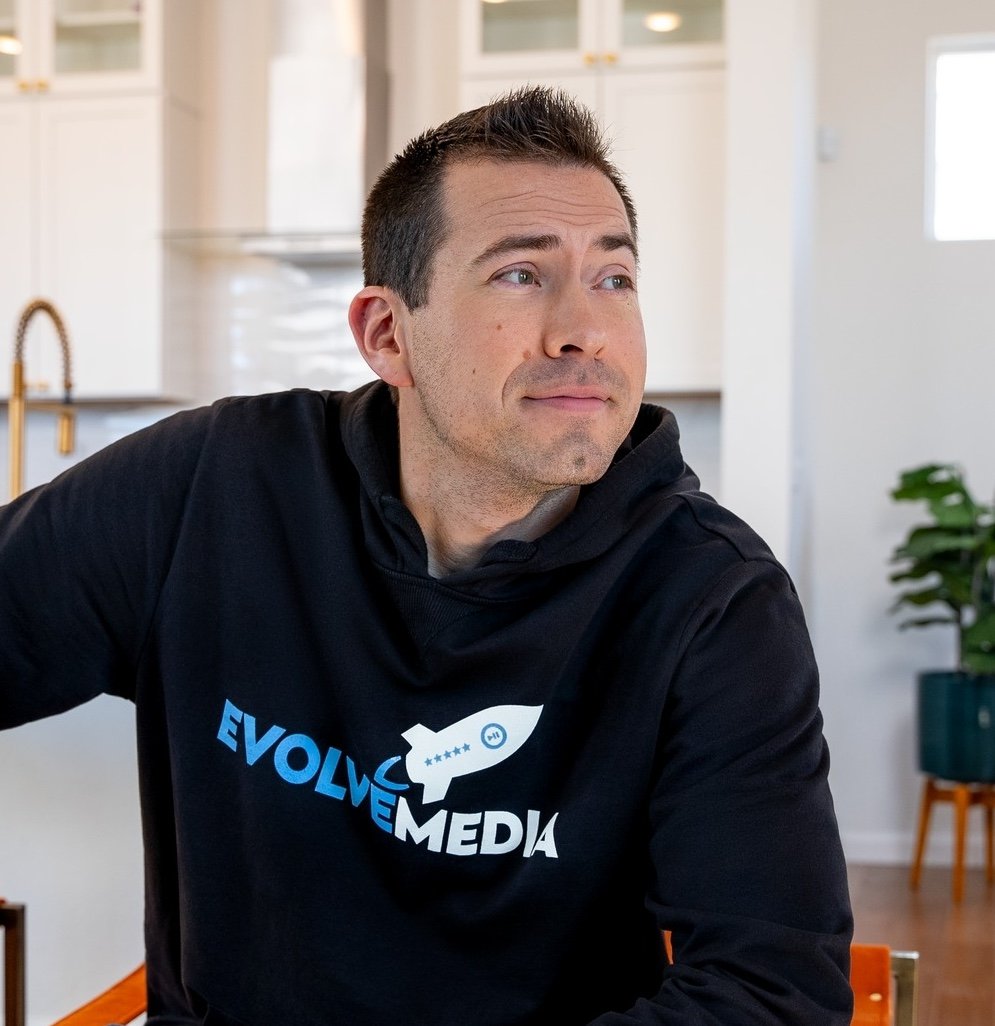
Ian Smith
Founder, Evolve Media Agency
Ian has run Evolve Media Agency since 2017 and has sold on Amazon since 2015. He and Megan run brand management, launches, PPC and in-house photo and video for Amazon, Shopify and TikTok Shop brands, including supplement brands, from Colorado. Questions about this page go straight to him at [email protected].
Common Questions
What is multichannel brand management?
Can a lower price on Shopify or TikTok Shop hurt my Amazon listing?
Can Amazon ship my Shopify and TikTok Shop orders?
How do I know if TikTok Shop is cannibalizing my Amazon sales?
What should a multichannel brand report include?
Do I need a separate agency for each channel?
Does Evolve manage Amazon, Shopify and TikTok Shop together?
Get One View of Your Whole Brand
Book a free 30-minute call with your Amazon, Shopify and TikTok Shop links. We will show you where pricing, inventory or reporting is working against you and what a brand manager would fix first.
Rather email? Write Ian at [email protected]. Call or text 719-257-3557. Watch our YouTube channel, grab the free Ecom Profit Box guides, or join the newsletter.
Want Ian to Look at Your Brand?
Tell us what you sell and where you are stuck. Ian replies within one business day, and you get an email right away with a link to book a free 30-minute call.
- Brand management, PPC, listings, launches and content
- Amazon, Shopify and TikTok Shop brands
- A real reply from Ian, not a sales bot
Rather talk now? Call or text 719-257-3557 or pick a time on Calendly.