
Brand Management for Beauty and Skincare Brands
A beauty brand manager does the usual Amazon work, plus a layer of rules most categories do not have: every claim, label and creator video has to stay on the cosmetic side of FDA's line. Here is what that job covers, from FDA's and Amazon's own pages.
Short answer
Brand management for beauty and skincare brands covers the normal Amazon work (listings, ads, reviews, stock, reporting) plus category rules: keeping claims cosmetic rather than drug claims under FDA's definitions, tracking MoCRA facility registration, product listing and adverse event duties, checking ingredient labels, holding Amazon's beauty approval documents, planning around beauty seasons, and keeping creator content properly disclosed.
Why Beauty Brand Management Is a Different Job
Most of Amazon brand management looks the same in every category: listings, PPC, reviews, inventory and a monthly report. Our guide to what an ecommerce brand manager does covers that core. Beauty and skincare add three things that change the work.
First, words carry legal weight. FDA says a product's intended use, shown by its claims, decides whether it is a cosmetic, a drug or both, so a moisturizer that claims to repair skin can become a drug without any ingredient changing. Second, the Modernization of Cosmetics Regulation Act of 2022 (MoCRA) added facility registration, product listing and adverse event reporting, and Amazon now asks for MoCRA paperwork in beauty approvals. Third, beauty runs on reviews and creators, and their content has to follow the same claim rules.
The job is keeping all three moving without letting a new image, creator video or listing edit drift across a line nobody checked.
Cosmetic Claims, Drug Claims and MoCRA Duties
FDA defines cosmetics as products applied to the body for cleansing, beautifying, promoting attractiveness or altering the appearance. Drugs are intended to diagnose, cure, mitigate, treat or prevent disease, or to affect the structure or function of the body. Some products are both, such as antidandruff shampoo or moisturizer with sunscreen, and must meet both sets of rules. FDA also says the law does not recognize "cosmeceutical" as a category.
FDA says intended use can be shown by claims on the label, in ads and online, by consumer perception and by ingredients with a well-known therapeutic use. The Amazon listing, Brand Store, TikTok captions and creator scripts all count.
Usually on the cosmetic side
FDA's anti-aging page says a product that makes lines and wrinkles less noticeable simply by moisturizing is a cosmetic, and so is makeup that hides signs of aging. In our reading, wording such as "moisturizes dry skin", "softens", "cleanses" or "helps skin look smoother" stays in appearance territory.
Drug-side wording to keep off a cosmetic listing
FDA gives examples of claims that make a product a drug: restoring hair growth, reducing cellulite, treating varicose veins, changing melanin production and regenerating cells. Its anti-aging page adds removing wrinkles and increasing collagen production. Words like heals, treats, cures or relieves eczema, acne or rosacea belong in the same bucket.
Terms with no federal definition
FDA says there is no federal standard for "hypoallergenic", and that the term means whatever a company wants it to mean. FDA also does not define "organic" for cosmetics; USDA's National Organic Program governs organic certification of agricultural ingredients. Use these words only when you can support them, and do not imply a standard that does not exist.
Ingredient Labels and Amazon's Beauty Rules
The physical label and the Amazon listing have to tell the same story. FDA's labeling summary (updated November 18, 2025) says cosmetics sold at retail must carry an ingredient declaration in descending order of predominance. Ingredients at 1% or less and color additives may be listed in any order. The letters must be at least 1/16 of an inch tall, or 1/32 of an inch on packages with less than 12 square inches of label space. Cosmetics that are also drugs list the drug ingredients first, as active ingredients, before the cosmetic ingredients.
FDA's allergens page, updated October 9, 2026, says fragrance ingredients may be listed simply as "fragrance" or "perfume", and that "fragrance-free" and "for sensitive skin" have no federal definition. Put the full ingredient list in the listing too, and update it after any reformulation.
Approval documents for Amazon
Amazon's beauty guide (February 17, 2026) says that when a product shows Apply to sell, you may need manufacturer invoices dated within 180 days showing at least 10 units, product photos showing the front, back, ingredient list and batch number, a GMP certificate, a certificate of analysis (COA, the lab report for a batch) and MoCRA compliance documentation. Amazon says approval typically takes 1 to 5 business days once everything is in. Keep this folder current; the brand manager is usually the one asked for it.
Restricted and prohibited examples
Amazon lists chemical peels with concentration limits and beauty medical devices as restricted, and products named in FDA recalls, prescription products, products with prohibited ingredients such as mercury or chloroform, cosmetics with more than 12% hydrogen peroxide and products with plastic microbeads as prohibited.
Packaging and label basics on Amazon
Amazon says beauty products must be new, sealed in original packaging and show identifying codes such as lot numbers, with English labels that include the product name, purpose, ingredients, manufacturer information and required warnings. Amazon also says products should show expiration dates or a period-after-opening symbol where regulations require one.
Dangerous goods
Amazon says beauty products with flammable ingredients, aerosol propellants, essential oils or certain chemicals are typically dangerous goods, and gives perfume, hairspray and nail polish as examples. These need the FBA Dangerous Goods program. Amazon says most creams, lotions, solid makeup and soaps typically do not need special approval.
Reviews, Creators and Beauty Seasonality
Amazon's beauty guide says reviews matter more than usual in this category because shoppers want to know how a product works for their skin type, hair texture or concern. It also points out that moisturizers, shampoos, cleansers and serums run out, which is why Subscribe & Save and repeat purchase deserve a line in every beauty KPI report. Our Amazon brand manager KPIs page lists the rest.
Vine for new products
Vine is for Professional sellers in Brand Registry with FBA offers on products that have fewer than 30 reviews. Enrollment is $0 for up to 2 units, $75 for 3 to 10 and $200 for 11 to 30, per parent product, per Amazon's Vine page. Fees are charged per parent product, so a shade or scent range under one parent pays one enrollment fee.
Low-star reviews
Brand Registry brands can use the Customer Reviews tool to contact customers who leave reviews under three stars to offer a refund or ask for details. Read these weekly; in skincare, a cluster of irritation reviews may also be an adverse event question, not just a listing question. Never pay or reward anyone for a review that says something particular, which the FTC's August 2024 rule bans.
Subscribe & Save
Amazon funds a 5% discount on Subscribe & Save orders of five items or more, and sellers can fund an extra 5% or 10%, per Amazon's program page. Brand Registry and the Brand Representative role are required. Our Subscribe & Save playbook covers the discount math.
Creators and influencers
Amazon's Influencer Program pays creators commission on qualifying purchases and gives them a storefront, shoppable photos and videos, and Amazon Live. The FTC's Disclosures 101 guide says creators must disclose free or discounted products, put the disclosure in the video and the audio, and repeat it during livestreams. Brief every creator on claims: a creator saying a cream cleared their eczema is a drug claim attached to your product. Our UGC video production page shows how we script around this.
The Beauty Brand Manager's Calendar, Step by Step
Here is the order we run beauty and skincare brand management in. The first three steps are setup; the rest repeat.
Build the compliance folder
Collect the manufacturer's facility registration, your product listing confirmations, the GMP certificate, recent COAs, invoices for Amazon approvals and the current label art for every SKU. Note who the responsible person is for each product and who files adverse event reports.
Run a claims audit on everything live
Read every title, bullet, image, A+ module, Brand Store page, video and TikTok caption against FDA's cosmetic and drug examples. List anything on the drug side and rewrite it toward appearance, feel and use. Send anything you are unsure of to a regulatory attorney before rewriting.
Match labels to listings
Check the ingredient list, net quantity, warnings and lot code on the physical product against the listing and images. Fix the listing first; a label change usually means new packaging, so plan it with the next production run.
Check account and listing health weekly
Account Health, suppressed or blocked beauty ASINs, dangerous goods holds, the Featured Offer on top sellers, stock against lead time, ad spend and new reviews under three stars. Flag any review describing a serious reaction the same day.
Claims-check every new piece of content
New images, A+, creator videos and ad copy go through the same claims check before publishing. Brief creators in writing with the words they can and cannot use, and require disclosure.
Report monthly
Sales, TACoS, conversion, review rating and count by shade or variation, return reasons, Subscribe & Save, inventory and IPI. Add one beauty-specific line: claims or compliance items opened and closed this month. Our brand management checklist covers the standard tasks.
Plan seasons a quarter ahead
Gift sets and stock for Q4 by September, Valentine's campaigns live in January, and creator content scheduled ahead of each push. Review MoCRA dates each quarter: product listing updates are annual and facility registration renews every two years.
When a Beauty Brand Should Not Hire Anyone
Many small beauty brands should run this themselves. If you sell a few SKUs, your claims are plainly cosmetic, your manufacturer hands you the documents without a fight and you read Account Health every week, the calendar above is manageable alone. Put the money into product, Vine and photography.
You also should not hire a marketing agency to solve a regulatory problem. Whether a product is a drug, whether you qualify for a MoCRA exemption, or how to handle a serious adverse event report are questions for a regulatory attorney. We do not give legal advice, formulate products, run lab tests or find manufacturers for you.
A beauty brand manager earns the fee when the catalog has many shades or scents, new content goes live every month and creators post about you. To compare outside options, see our best Amazon agencies for beauty and skincare brands, and for hiring, how to hire an Amazon brand manager.
Do it yourself
A few SKUs, plain cosmetic claims, documents in hand, no dangerous goods and an owner who checks the account weekly.
Bring in a regulatory attorney
Anything near a drug claim, sunscreen or acne products, a possible serious adverse event, or international labels. No marketing help replaces this.
Bring in a brand manager
Large shade or scent ranges, monthly new creative and creator content, several channels, and launches that cannot wait for someone to find time.
How Evolve Runs Brand Management for Beauty and Skincare
Evolve Media Agency was founded in 2017 by Ian Smith, who has sold on Amazon since 2015. We are a husband-and-wife team in Colorado backed by AI agents, and we shoot photo and video in house. We also run Bear Basics, our own tallow skincare brand, so the claims checks and approval paperwork on this page are part of our own week. Our beauty and skincare brand marketing page shows the creative side, and the Bear Basics TikTok Shop case study shows how we run creator content.
Our Amazon brand management plans give a beauty brand one accountable brand manager who runs the calendar above. Our prices, as of October 2026: Brand Support, 5 hours for $750 a month; Brand Manager, 10 hours for $1,250; Brand Manager Plus, 20 hours for $2,000; and Full Brand Management, 40 hours for $3,600. Plans are paid upfront monthly, run month to month, and hours do not roll over. Work beyond a plan is $150 an hour. Ad spend and fixed-price production are billed separately.
Fixed-price work fits inside or alongside a plan: product photography at $295, $495 or $745, product video at $395, $695 or $895, UGC video at $495 or a 3-pack for $1,295, main images, infographics and Premium A+ at $295, $495 or $595, and a Brand Store at $1,495. Packaging and label design is quoted per project or done inside plan hours. Everything is on the pricing page.
As a rough guide from our own accounts, a small skincare line with stable content fits Brand Support or Brand Manager, and a brand with a large shade range, monthly creator content and several channels fits Brand Manager Plus or Full Brand Management. Email Ian at [email protected], call or text 719-257-3557, or book a free 30-minute call with your ASIN.
Where These Facts Come From
FDA: Modernization of Cosmetics Regulation Act of 2022 (MoCRA), current as of Aug 10, 2026
fda.gov · Open source →
FDA: Is It a Cosmetic, a Drug, or Both? (Or Is It Soap?)
fda.gov · Open source →
FDA: Registration and Listing of Cosmetic Product Facilities and Products, current as of Sep 9, 2026
fda.gov · Open source →
FDA: Summary of Cosmetics Labeling Requirements, current as of Nov 18, 2025
fda.gov · Open source →
FDA: Allergens in Cosmetics, current as of Oct 9, 2026
fda.gov · Open source →
FDA: Wrinkle Treatments and Other Anti-aging Products
fda.gov · Open source →
FDA: Hypoallergenic Cosmetics
fda.gov · Open source →
FDA: Organic Cosmetics
fda.gov · Open source →
Amazon (sell.amazon.com): How to sell beauty products, Feb 17, 2026
sell.amazon.com · Open source →
Amazon (sell.amazon.com): Amazon Vine
sell.amazon.com · Open source →
Amazon (sell.amazon.com): Subscribe & Save
sell.amazon.com · Open source →
Amazon (sell.amazon.com): Customer Reviews tool
sell.amazon.com · Open source →
Amazon Ads: Valentine's Day beauty marketing, Feb 7, 2024
advertising.amazon.com · Open source →
About Amazon: Amazon Holiday Beauty Event 2026, Oct 26, 2026
aboutamazon.com · Open source →
About Amazon: How the Amazon Influencer Program works, Sep 16, 2026
aboutamazon.com · Open source →
FTC: Disclosures 101 for Social Media Influencers
ftc.gov · Open source →
FTC: Final rule banning fake reviews and testimonials, Aug 14, 2024
ftc.gov · Open source →
About the Author
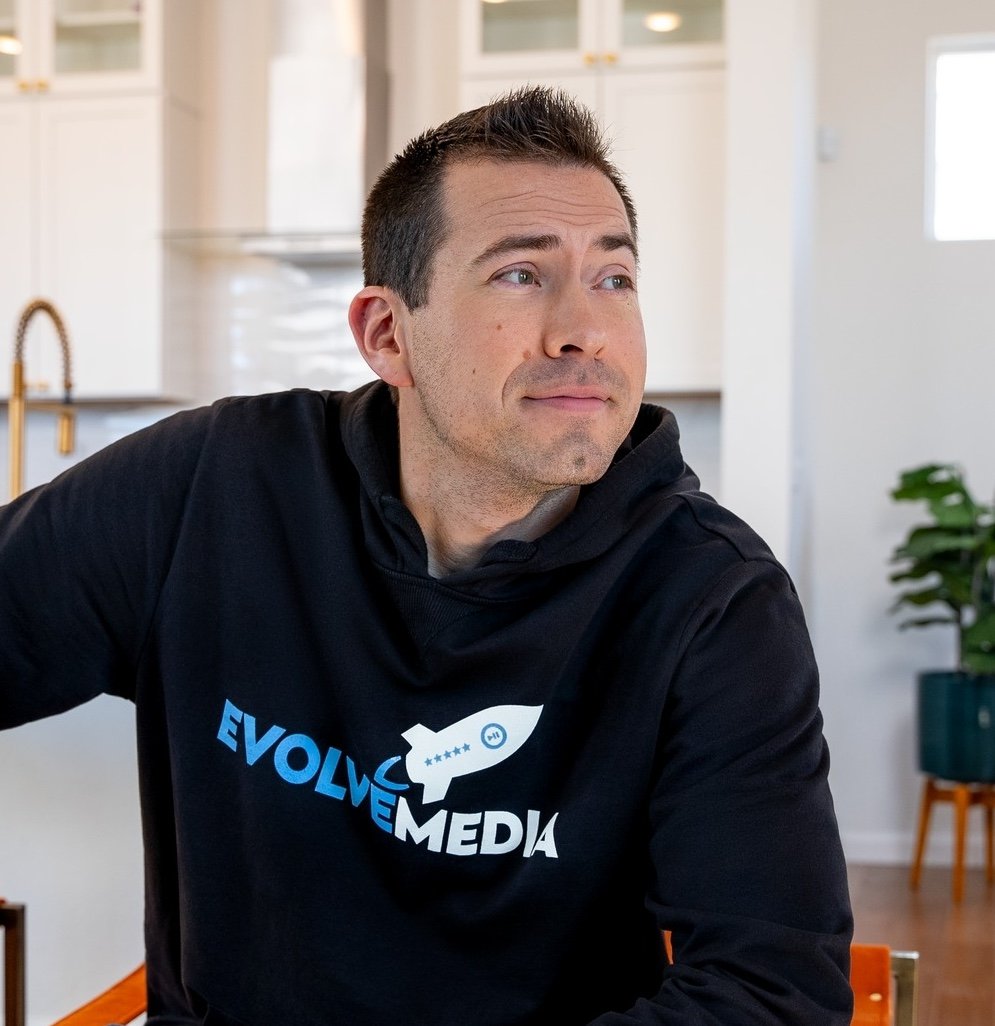
Ian Smith
Founder, Evolve Media Agency
Ian has run Evolve Media Agency since 2017 and has sold on Amazon since 2015. He and Megan run brand management, launches, PPC and in-house photo and video for Amazon, Shopify and TikTok Shop brands, including supplement brands, from Colorado. Questions about this page go straight to him at [email protected].
Common Questions
What does a beauty brand manager do on Amazon?
What is the difference between a cosmetic claim and a drug claim?
Do I need to comply with MoCRA to sell skincare on Amazon?
What documents does Amazon ask for to sell beauty products?
How should beauty brands work with creators and influencers?
How much does Evolve charge for beauty brand management?
Bring Us Your Beauty Listing
Book a free 30-minute call with your ASIN. We will read the claims, the label and the listing with you and tell you what a beauty brand manager would fix first, or whether you can handle it yourself.
Rather email? Write Ian at [email protected]. Call or text 719-257-3557. Watch our YouTube channel, grab the free Ecom Profit Box guides, or join the newsletter.
Want Ian to Look at Your Brand?
Tell us what you sell and where you are stuck. Ian replies within one business day, and you get an email right away with a link to book a free 30-minute call.
- Brand management, PPC, listings, launches and content
- Amazon, Shopify and TikTok Shop brands
- A real reply from Ian, not a sales bot
Rather talk now? Call or text 719-257-3557 or pick a time on Calendly.