
Amazon Vine for Supplements: Fees, Timing and the Review Rules
A new supplement with zero reviews is a hard sell, and the shortcuts that used to fill that gap now carry federal penalties. Vine is Amazon's own way to get early, labeled reviews. Here is what it costs, when a supplement can use it, and what to expect.
Short answer
Amazon Vine sends free units to invited reviewers called Vine Voices. As of October 2026, a supplement qualifies if you have a Professional account, the brand is in Brand Registry, and the FBA listing has fewer than 30 reviews. You can enroll up to 30 units per parent product. The US fee is $0 for up to 2 units, $75 for 3 to 10 and $200 for 11 to 30.
What Amazon Vine Is and Why Supplement Brands Use It
Amazon Vine is an invitation-only reviewer program run by Amazon. Amazon picks reviewers, called Vine Voices, based on how insightful their past reviews have been, then lets them request free units of enrolled products. According to Amazon's Vine page for shoppers, Voices are not paid to take part and are expected to write honest reviews that can be positive, neutral or negative. Every Vine review carries a badge that marks it as a review of a free product.
For a supplement brand, the first reviews carry more weight than for most products. Shoppers are putting something in their bodies, and a product page with zero reviews gives them little to go on. Amazon's own seller blog, in an August 2026 post on reviews, says products with five reviews can see roughly a 270% conversion lift compared with products that have none. The post cites no study for the figure, so treat it as Amazon's own claim, not an independent finding.
Vine also matters because most of the other ways brands once got early reviews are now off the table. Amazon's community guidelines ban reviews in exchange for refunds, discounts, free products or gift cards outside Vine, and the Federal Trade Commission (FTC) now has a rule that lets it seek civil penalties for buying reviews tied to a positive or negative sentiment. Vine is the one free-product program that Amazon runs and labels itself.
Vine Eligibility for a Supplement Brand
Amazon lists the same requirements on its Vine program page and its Vine tool page. None of them are specific to supplements, but supplements add a gate in front of them: the listing has to exist, be compliant and be fulfilled by Amazon before Vine is possible at all.
Professional selling account
Amazon lists the Professional plan at $39.99 a month plus selling fees. The Individual plan cannot use Vine.
Brand Registry for branded products
If the product belongs to a brand, the brand must be enrolled in Brand Registry and you need the Brand Representative or Reseller role. A pending trademark is enough to apply for Brand Registry, which is why our supplement launch guide tells brands to file a trademark at the very start.
Fulfilled by Amazon (FBA)
Every Vine unit ships through FBA, which Amazon says keeps reviewers' contact details private. A merchant-fulfilled supplement listing is not eligible.
Fewer than 30 reviews
New products qualify, and existing products qualify only while the detail page shows fewer than 30 reviews.
An image and a description
The listing must have both. For supplements that means real photos of the full label, which Amazon's supplement policy already requires.
Not adult, digital or bundled
Amazon excludes adult, digital and bundled products. A multi-product bundle is out, and so is any product Amazon classifies as adult.
When to Enroll: Vine Timing vs Testing Approval
Amazon lets you enroll a new product before it launches. Its Vine page says enrollment is possible once the FBA listing is customer-ready and has a future launch date, even before inventory arrives. It then recommends enrolling and having inventory in Amazon's network at least three weeks before launch, so Voices have time to receive the product, use it and write a review.
For supplements, the word that matters is customer-ready. A listing that is blocked for compliance documents is not customer-ready. So the real order is: verification cleared, listing live or scheduled, inventory checked in at FBA, then Vine. If you build your launch plan backward from the day you turn on ads, Vine has to start roughly three weeks earlier, and verification has to be finished before that.
Amazon does not promise when reviews will post, and a reviewer may take a daily supplement for a while before writing, so plan for reviews to arrive over several weeks rather than all at once.
How to Enroll a Supplement in Vine in 8 Steps
Confirm your plan and roles
Make sure you are on the Professional plan and hold the Brand Representative role in Brand Registry for the brand on the label.
Clear supplement verification first
Finish third-party cGMP verification, and lab testing if your category requires it, so the listing is not blocked. Our testing guide walks through the test request form and timing.
Finish the listing before reviewers see it
Vine reviewers judge what they receive against what the page promised. Lock the title, bullets and images to your final label and keep every claim on the right side of the structure/function line, for example "supports joint comfort" rather than anything about arthritis.
Set a launch date and ship to FBA
Create the FBA shipment early. Amazon recommends having inventory in its network at least three weeks before launch.
Pick the parent product and unit count
In Seller Central, go to Advertising, then Vine, and search for the eligible FBA ASIN. Choose up to 30 units for the parent product. Child variations ride along at no extra fee.
Decide between 2, 10 or 30 units
Two units cost nothing but give you at most two reviews. Ten units cost $75. For most supplement launches we recommend 30 units at $200: the fee is the same anywhere from 11 to 30 units, so each extra unit costs only its product and FBA cost.
Enroll and watch the dashboard
Track the enrollment in Seller Central under Advertising, then Vine. Once a Voice has claimed units you cannot cancel, only stop further claims, and a stopped product cannot be re-enrolled.
Read every review and act on it
Vine reviews are early product feedback. If several mention taste, capsule size or an upset stomach, take that to your manufacturer before your next production run, and fix the listing if it set the wrong expectation.
Review Compliance: What the FTC Rule and Amazon Allow
In August 2024 the FTC announced a final rule banning fake reviews and testimonials. The rule is codified at 16 CFR Part 465. Among other things, it bars buying or selling fake reviews, bars giving compensation or incentives conditioned on a review expressing a particular sentiment, restricts undisclosed reviews from a company's own officers, managers and employees, and bars suppressing reviews with threats or intimidation. The FTC said the rule lets it seek civil penalties against knowing violators.
The FTC's older Endorsement Guides at 16 CFR Part 255 add two ideas that matter here. A free product is a material connection that should be disclosed, and a consumer review is a claim that the product works, so the advertiser still needs real support for any claim it implies. The FTC's Endorsement Guides FAQ also says incentivized reviews should be disclosed, and that asking only happy customers for reviews skews the picture.
Amazon's own community guidelines go further than the FTC. They bar reviews in exchange for compensation of any kind, including refunds, discounts, free products, gift cards or warranties, and they bar sellers, friends, relatives and employees from reviewing their own products. The guidelines name Vine as the exception: Voices may receive free products only through official Vine offers, and those reviews carry a Vine badge.
Vine fits those rules: the free unit is not tied to a good review, Voices may write positive, neutral or negative reviews, and every Vine review is labeled. That is not legal advice, and it holds only if you stay out of the process. Never try to find, contact or reward Voices.
Allowed: enrolling in Vine
Amazon chooses the reviewers, labels the reviews and does not require a positive rating.
Allowed: Request a Review
Amazon's Request a Review button on the Order details page sends Amazon's own neutral request to a buyer.
Allowed: a neutral request
Amazon's guidelines allow a seller to ask for honest, unbiased feedback with no incentive attached. Keep it neutral and never ask for five stars.
Not allowed: refunds or gifts for reviews
Refunds, gift cards, free product or discounts in exchange for a review break Amazon's rules, and tying any reward to a positive review is what the FTC rule targets.
Not allowed: friends, family and staff
Amazon removes reviews from anyone with a financial interest or close relationship, and the FTC rule restricts undisclosed insider reviews.
Not allowed: pushing out bad reviews
Asking unhappy buyers to change or remove a review in exchange for a refund breaks Amazon's guidelines. Amazon's Customer Reviews tool lets Brand Registry brands offer a refund or help on critical reviews, and Amazon says sellers must not ask buyers to remove negative reviews.
What to Expect From Vine on a Supplement Launch
Amazon's Vine page says enrolled products see sales rise an average of 30%, citing Amazon internal data. That is Amazon describing its own paid program, so treat it as a claim, not a forecast for your product. What Vine reliably does is put up to 30 labeled reviews on a new page faster than organic orders would. Whether those reviews help depends on the product.
In our experience, supplement reviews focus on what buyers notice in the first week: taste, smell, capsule size, how a powder mixes and whether the label matched the box. A product that tastes bad is likely to hear about it from Vine reviewers early, so put Vine on a product you have already tested with people who will tell you the truth.
Not every unit turns into a review. Amazon does not promise a review for each unit, and its page says that if no Vine review publishes within 90 days you are not charged. Plan your math on fewer reviews than units.
Alternatives to Vine That Stay Within the Rules
Vine has a ceiling of 30 units per product and only works under 30 reviews, so every supplement brand needs a plan for review number 31 and beyond. Every option below is something Amazon itself describes or allows. None of them involve paying for a review.
Request a Review button
Amazon's customer reviews tools page describes sending automated review requests from the Order details page. Our review request automation guide covers what tools can and cannot do.
Customer Reviews tool
For Brand Registry brands, Amazon shows reviews under three stars and lets you contact the customer to offer a full courtesy refund or product help. Amazon says to resolve critical reviews at least every 30 days.
Subscribe & Save and repeat buyers
Supplements are bought again and again. Every reorder is another buyer who may leave a review on their own, so a good repeat rate builds reviews over time.
A better product page
Clear label photos, honest serving and taste information and a real FAQ in your images reduce surprise, and surprise is what drives one-star reviews.
PPC that sends the right shoppers
Ads aimed at ingredient searches bring buyers who wanted that exact ingredient, so the product they receive matches what they searched for. Our supplement PPC guide covers launch structure.
Review clubs, rebate sites and paid testers
Anything that gives free or discounted product outside Vine in exchange for a review breaks Amazon's guidelines, and tying a reward to sentiment is what the FTC rule targets. Skip them.
For a broader plan, our Amazon review strategy guide covers how Vine, review requests and listing fixes fit together over the first year.
When to Get Help vs Do Vine Yourself
You do not need an agency to enroll in Vine. If you have one supplement, your verification is cleared, your listing is final and you can read Seller Central, enrolling takes a few minutes. Follow the eight steps above, put 30 units in, and spend the money you would have paid someone on inventory.
Help is worth it when Vine is one piece of a launch with a lot of moving parts: verification timing, label-matched listing copy, images, FBA inbound, Vine and launch ads that all have to line up in the right order. That sequencing is most of what a brand manager does on a supplement launch, and it is where launches slip by weeks.
Do it yourself if
You have one or two products, verification is done, the listing is final and you have time to read every review.
Get help if
You are launching several SKUs at once, verification and launch dates keep colliding, or you need the listing, images and ads built before Vine starts.
Do not spend on anyone if
Your margin cannot cover 30 free units, the Vine fee and launch ads. Fix the price or landed cost first.
How Evolve helps. Evolve is a husband-and-wife team, Ian and Megan Smith, backed by AI agents, based in Colorado. Ian founded Evolve in 2017 and has sold on Amazon since 2015, and our clients include supplement brands such as Liquid Health and Purely Optimal. Through Amazon brand management we sequence the launch so Vine starts on a finished, compliant page: Brand Support is 5 hours for $750 a month, Brand Manager is 10 hours for $1,250, Brand Manager Plus is 20 hours for $2,000, and Full Brand Management is 40 hours for $3,600, paid upfront and month to month. For one-time help, our Launch Roadmap is $995 and the Full Launch Package is $2,495, and launch PPC is $995 a month for the first 60 days. All prices are on our pricing page.
We do not run Vine for anyone outside Amazon's tools, we never offer anything in exchange for reviews, and we do not run lab tests or give legal advice. To see how we work with supplement brands overall, start with our brand management for supplement brands page or the supplement brand marketing hub. You can also email Ian at [email protected] or call or text 719-257-3557.
Where These Facts Come From
Amazon: Amazon Vine program for sellers
sell.amazon.com · Open source →
Amazon: Amazon Vine tool page
sell.amazon.com · Open source →
Amazon: All about Amazon Vine (shopper page)
amazon.com · Open source →
Amazon: Community Guidelines
amazon.com · Open source →
Amazon: Customer reviews tools for sellers
sell.amazon.com · Open source →
Amazon seller blog: Customer reviews and social proof (Aug 2026)
sell.amazon.com · Open source →
eCFR: 16 CFR Part 465, Rule on the Use of Consumer Reviews and Testimonials
ecfr.gov · Open source →
eCFR: 16 CFR Part 255, Guides Concerning Endorsements and Testimonials
ecfr.gov · Open source →
FTC: Final rule banning fake reviews and testimonials (Aug 2024)
ftc.gov · Open source →
FTC: The Endorsement Guides, What People Are Asking
ftc.gov · Open source →
About the Author
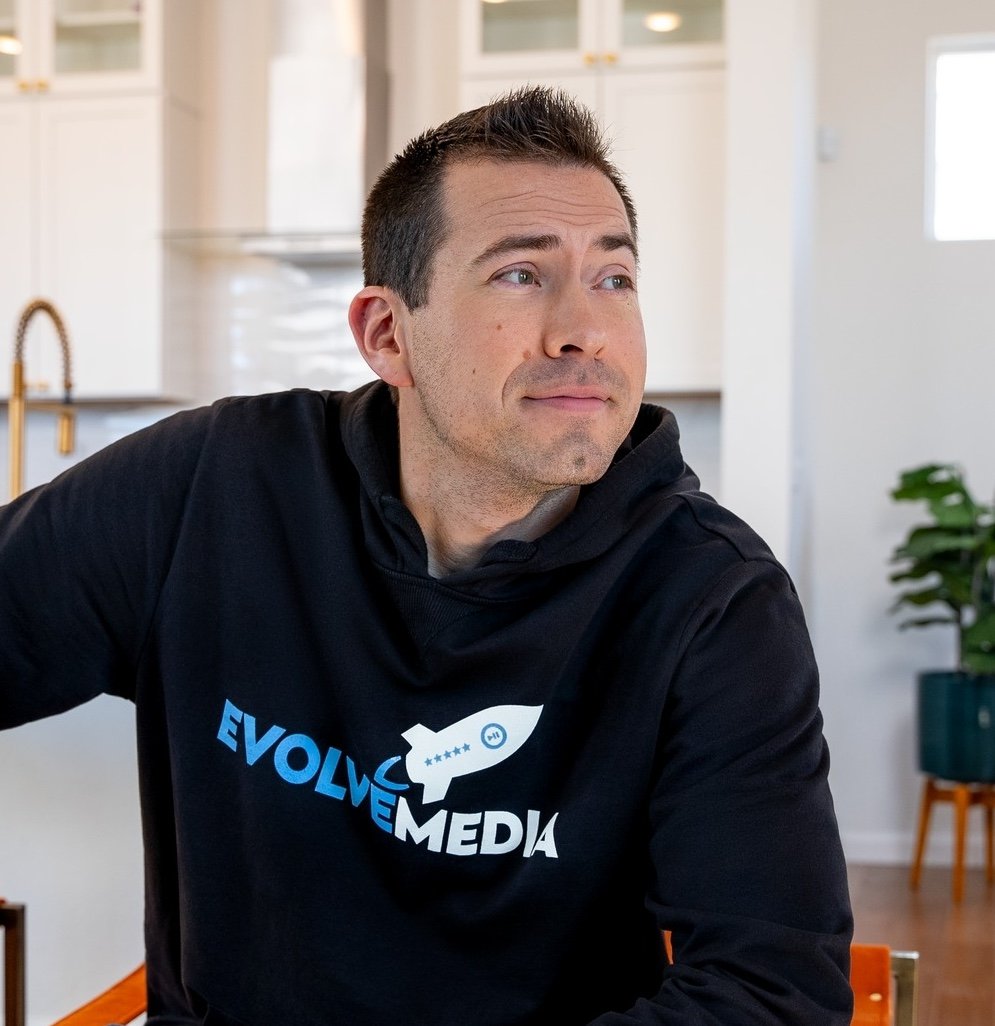
Ian Smith
Founder, Evolve Media Agency
Ian has run Evolve Media Agency since 2017 and has sold on Amazon since 2015. He and Megan run brand management, launches, PPC and in-house photo and video for Amazon, Shopify and TikTok Shop brands, including supplement brands, from Colorado. Questions about this page go straight to him at [email protected].
Common Questions
How much does Amazon Vine cost for supplements?
Can supplements be enrolled in Amazon Vine?
When should I enroll a new supplement in Vine?
Is Amazon Vine legal under the FTC fake review rule?
Do Vine reviewers have to leave a positive review?
What happens if no one reviews my supplement through Vine?
What are the best alternatives to Vine for supplement reviews?
Can Evolve Media set up Vine as part of my supplement launch?
Line Up Vine With Your Launch
Bring your launch date, verification status and listing to a free 30-minute call. We will tell you when to enroll and what to fix first, or that you can do it yourself.
Rather email? Write Ian at [email protected]. Call or text 719-257-3557. Watch our YouTube channel, grab the free Ecom Profit Box guides, or join the newsletter.
Want Ian to Look at Your Brand?
Tell us what you sell and where you are stuck. Ian replies within one business day, and you get an email right away with a link to book a free 30-minute call.
- Brand management, PPC, listings, launches and content
- Amazon, Shopify and TikTok Shop brands
- A real reply from Ian, not a sales bot
Rather talk now? Call or text 719-257-3557 or pick a time on Calendly.