
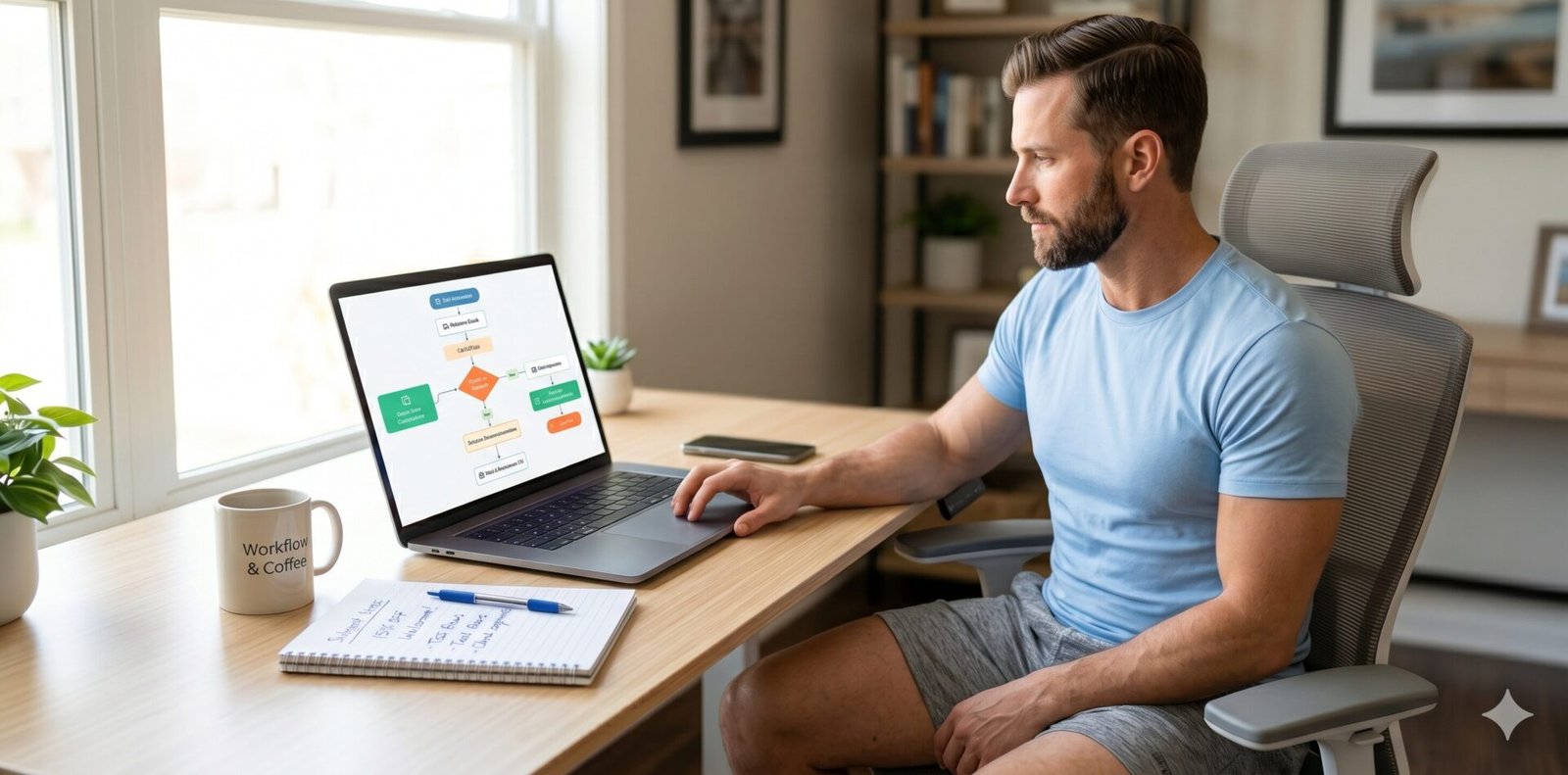
Here is the number that should reframe how you think about email automation: flows generate 41% of email revenue from only 5.3% of email sends. A welcome flow email sent to a new subscriber achieves an 83.6% open rate. An abandoned cart email achieves 50.5% open rate and a 3.33% conversion rate on average — with top performers hitting 7.69%. Compare that to the average campaign open rate of 18-25% and a conversion rate of 0.08-0.44%.
The reason flows outperform campaigns by this margin is simple: they are sent at the exact moment a subscriber or buyer is most engaged with your brand. A welcome email reaches someone who just said “yes, I want to hear from you” in the last 10 minutes. An abandoned cart email reaches someone who just put your product in their cart. That timing advantage cannot be replicated by any campaign, no matter how well-written.
Before building your flows, make sure your list foundation is solid. If your email program has broader structural problems — deliverability issues, promotion-heavy content mix, or poor segmentation — read our companion guide first: Why Your Email List Isn’t Making You Money. Flows built on a broken foundation underperform. Flows built on a healthy list compound.
⚡ Build order matters: Do not try to build all 5 flows simultaneously. The sequence below is ordered by revenue impact and build complexity. Start with Flow 1 (Welcome Series) and get it fully built and tested before moving to Flow 2. A fully optimized welcome series consistently outperforms a half-built version of all 5 flows running poorly.
📈 The 5 Flows at a Glance
👋 Flow 1: The Welcome Series
The welcome series is triggered when someone subscribes to your email list — through your Shopify pop-up, a lead magnet, a giveaway, or any other opt-in. The subscriber is at peak engagement in this window. They just said yes to hearing from you. They are curious about your brand. This is the highest open-rate environment you will ever have with this subscriber and most brands send one generic “here is your discount code” email and move on.
A 5-email welcome series that delivers genuine value before asking for a sale consistently converts at 3-5x the rate of a single discount email. The sequence below follows the education-before-promotion principle from our email strategy guide: build trust first, make the ask second.
Klaviyo Setup
🛒 Flow 2: Abandoned Cart
Abandoned cart is your highest-RPR email flow because the purchase intent is already established. The person added your product to their cart. They made a decision to buy and then stopped. Your job is to understand why they stopped and remove that friction — not just remind them the cart exists.
Most abandoned cart flows fail because they are a single email sent 24 hours later saying “You left something behind!” with a product image and a Buy Now button. That email ignores the most important question: why did this specific person abandon? Price hesitation requires a different response than distraction. Shipping cost concern requires a different response than product uncertainty. A 3-email + SMS sequence addresses multiple possible objections systematically.
⚠️ Critical timing finding: Stores that send the first abandoned cart email within 60 minutes recover 3x more carts than those who wait 24 hours. The intent is hottest in the first hour. Set your first email trigger to 60 minutes after abandonment, not 24 hours.
Klaviyo Setup
🛍 Flow 3: Post-Purchase
The post-purchase flow is the most important sequence for building customer lifetime value. The window immediately after a purchase is your highest-engagement moment with a buyer — they just trusted you with their money and they are experiencing the excitement of anticipating the product. This is the time to deepen the relationship, not disappear until you want them to buy again.
Most brands send one order confirmation email and one shipping notification email (both transactional) and then go silent until the next promotional campaign. The brands with the highest repeat purchase rates send a value-forward post-purchase sequence that helps the buyer get the most from their purchase, builds brand affinity, and makes the case for a second purchase at the right moment.
Klaviyo Setup
Want us to build your flows in Klaviyo?
We set up all 5 flows with custom sequences, segmentation, and smart sending rules tailored to your product category.
👁️ Flow 4: Browse Abandonment
Browse abandonment captures subscribers who viewed a product page but did not add anything to their cart. This is a lower-intent signal than cart abandonment but a much higher-volume audience — for most Shopify stores, browse abandoners represent 5-10x more potential reach than cart abandoners. Even a 0.5% conversion rate on a large browse abandonment audience generates meaningful revenue from subscribers who would otherwise receive no targeted follow-up.
The key difference from abandoned cart: tone should be lighter, less urgent, and more curious. A browse abandonment email that feels like a hard sales push will underperform. One that feels like a helpful nudge — “we noticed you were looking at this, here is what you should know” — converts at significantly higher rates.
Klaviyo Setup
📋 Flow 5: Winback
Winback flows target customers who made at least one purchase but have not returned within a defined window — typically 90-120 days depending on your product’s natural repurchase cycle. Recovering even 10% of lapsed customers at email cost vs paid re-acquisition cost generates significant margin improvement. A lapsed customer who spent $50 six months ago is worth far more to reactivate than a cold acquisition at $30-60 CAC on Meta.
Winback emails should acknowledge the gap honestly and give a compelling reason to return. Avoid generic “we miss you” emails with no substance — they are immediately recognizable and generate very low re-engagement. A winback email that shows what is new, what changed, or what the subscriber missed during their absence converts at 2-3x the rate of a generic miss-you message.
Klaviyo Setup
📊 Flow Performance Benchmarks
| Flow | Open Rate (Avg) | Click Rate (Avg) | Conversion Rate | Top 10% Target |
|---|---|---|---|---|
| Welcome Series | 40-70% | 5-12% | 8-15% | 12-18% conversion |
| Abandoned Cart | 50.5% | 6.25% | 3.33% | 7.69% conversion |
| Post-Purchase | 40-55% | 4-8% | 8-15% (repeat) | 20-30% repeat in 90 days |
| Browse Abandonment | 30-45% | 3-6% | 0.5-2% | 2-4% conversion |
| Winback | 20-35% | 2-5% | 5-10% | 10-15% recovery rate |
| All Flows Combined | 41% of email revenue from 5.3% of sends | $0.25-0.45 RPR (top 10%) | ||
🚫 Common Flow Mistakes That Kill Revenue
- Starting your abandoned cart sequence 24 hours after abandonment. The purchase intent is hottest in the first 60 minutes. Stores that send the first abandoned cart email within an hour recover 3x more carts than those who wait a day. Set your first trigger to 60 minutes, not 24 hours.
- Discounting immediately in Email 1 of abandoned cart. Offering a discount in the first abandoned cart email trains buyers to abandon carts intentionally to receive discounts. Save the incentive for Email 3 after two non-discount emails have not converted. This recovers the same cart at higher margin.
- Sending the same welcome series to existing customers who sign up again. A customer who makes a second purchase and re-subscribes should not receive your new subscriber welcome series. Add a filter excluding anyone who has placed an order from the welcome flow and route them to a VIP or loyalty sequence instead.
- Not exiting subscribers from flows when they convert. A subscriber who purchases during your abandoned cart sequence should immediately exit that flow and enter your post-purchase flow. Not configuring these exit conditions means buyers receive cart abandonment emails after purchasing — one of the most trust-damaging experiences in email marketing.
- Building all 5 flows simultaneously before any are optimized. A half-built, untested version of 5 flows will consistently underperform a fully optimized welcome series and abandoned cart running alone. Build Flow 1 completely, test it, optimize it, then build Flow 2. Systematic sequential building always outperforms simultaneous incomplete building.
- Ignoring flow analytics after the first month. Flows are not set-and-forget. They require monthly review of conversion rates, open rates, and revenue contribution. A welcome series that performs well in Q1 may decline in Q3 as your product mix, audience, or competitive environment changes. Review all flows monthly and A/B test one element per flow per quarter.
📅 The 30-Day Flow Launch Plan
Set up trigger, filters, and smart sending rules. Write all 5 emails. Set up A/B test on subject lines for Email 1 and Email 5. Review in mobile and desktop preview before activating. Goal: Welcome Series live by end of week.
Set up 3-email + SMS sequence with correct triggers and exit conditions. Verify the 60-minute first-email trigger is configured. Test with a real abandoned checkout to confirm sequence fires correctly. Goal: Abandoned Cart live by end of week.
Configure delivery-date trigger using your shipping integration. Build first/repeat buyer split. Write 4-email sequence for first-time buyers. Shorter 2-email sequence for repeat buyers (skip brand intro, go straight to product tips and cross-sell). Goal: Post-Purchase live by end of week.
Build Browse Abandonment with frequency cap configured. Build Winback with correct lapse window for your category and high/low value customer split. Review all 5 flows are live and all exit conditions are correctly set. Goal: All 5 flows live. Pull first-week metrics from Welcome and Abandoned Cart to confirm setup is correct.
"Five flows running correctly will generate more email revenue than 50 campaigns sent to your full list. The brands at 35-40% email revenue contribution are not sending more emails — they built the infrastructure that sends the right email to the right person at the right moment, automatically, forever."